Nighttime Roach Activity in Phoenix Why It Peaks After Dark
303 Views
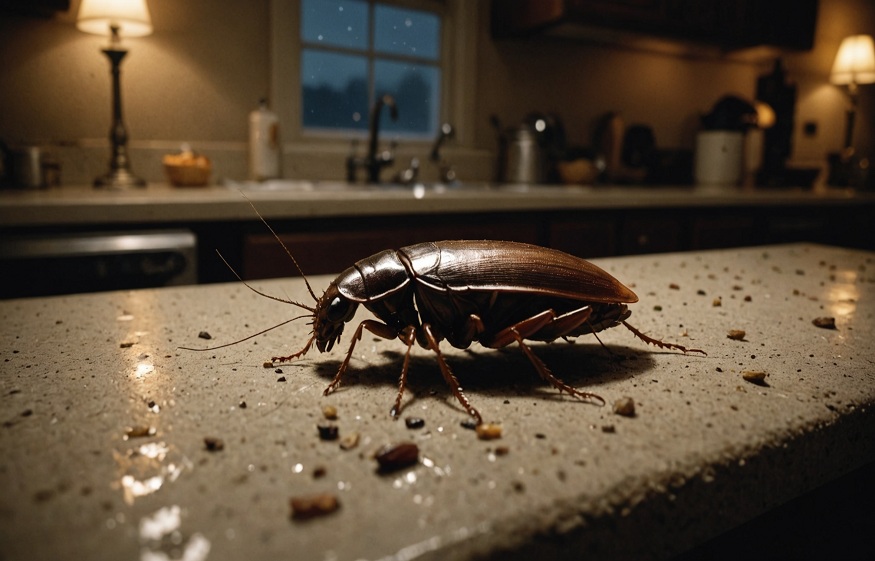
It is midnight, you go into your kitchen for a glass of water and turn on the light, when something dark scuttles under the refrigerator. Sound familiar? If you are located in Phoenix, it sure does. Roaches are most numerous in the dark, for real biological and climatic reasons here. Here in Phoenix homes, nighttime is prime time for roaches; this article explains exactly why.
If the midnight sightings are becoming a pattern in your home, Avata Pest Control can identify what species you are dealing with and shut down their after-dark activity for good.
Phoenix Nights Are a Roach’s Ideal Operating Conditions
Phoenix summers easily reach 110°F during the day, tough for bugs and all. However, by evening, when the temperatures fall into the 80s and 90s°F, practically heaven for roaches, Phoenix has warm nights because it is not cities that cool off sluggish insects. Phoenix receives an average of 299 sunny days per year, and the ground and buildings are heated up for hours after sunset. That warm temperature gives roaches far more active time than in most U.S. cities.
The Species Behind the Nighttime Scurrying in Phoenix Homes
There are several cockroach species found in Phoenix, and all of them are naturally nocturnal. These 3 are the most common you will meet:
Read More: Termite Mud Tubes in Desert Soil What Phoenix Homeowners Miss
- American Cockroach – The number one type of cockroach living in Phoenix, loves to live inside warm sewer lines and hollow block walls
- Turkestan Cockroach – Rapidly spreading across the Southwest; common in outdoor debris and leaf litter
- German Cockroach – A strictly indoor species sure to find its way into Phoenix kitchens and bathrooms under the cover of darkness
- Brown-Banded Cockroach – Rare but found; prefers hot, high places like top-shelf heights.
Why Roaches Wait Until Dark – The Biology Behind It
Cockroaches have a circadian rhythm, an inbuilt clock that tells them to get moving after dark. This allows them to escape daytime predators and the intense heat of Phoenix. Research shows that cockroaches do most of their movement and activity during the first few hours after nightfall. Here is how that looks in practice:
| Behavior | Why It Happens at Night |
| Foraging for food | Reduces exposure to predators and heat |
| Mating activity | Peak reproductive signaling occurs after dark |
| Traveling between hiding spots | Darkness provides cover for movement |
Where Phoenix Roaches Hide During the Day
Roaches avoid daylight, but are never far away. A standard feature of local neighborhoods, Phoenix’s block wall construction creates hollow cavities that roaches go wild for. Foraging for food and shelter is readily available, especially with the fruit that drops to the ground in backyards with citrus trees (a Phoenix staple). Stable moisture comes from underground irrigation systems, and a messy garage gives roaches the dark, undisturbed area they require until darkness falls.
Read More: Wolf Spiders in Flower Mound TX Homes – Should You Be Concerned?
Signs You Have a Nighttime Roach Problem (And Not Just One)
- Seeing roaches immediately after turning on the lights (in less than 10 minutes)
- Note small black droppings around sinks, appliances, or baseboards
- Egg casings (oothecae) are often hidden by the edges of cabinets or along baseboards
- Musty smell in closed spaces, such as under-sink cabinets
- Daytime sighting is a reliable sign that the place is overcrowded and has numerous bug infestations.
What Phoenix Homeowners Can Do Right Now
In Phoenix homes, a few targeted habits can greatly reduce roach activity:
- Seal the weep holes, fill wall gaps, and seal exterior pipe entry points
- Clean up any fallen citrus fruit quickly; it is among the top roach attracting food in Phoenix yards
- Repair irrigation leaks; in this dry climate, moisture is a big pull
- Seal pet food tightly at night
Home Remedies Will Not Cut It for Phoenix Roach Infestations
Phoenix is warm year-round, roaches do not die off in winter, and infestations have longer to thrive and spread. This makes them more difficult to completely get rid of without professional help. Usually, the local experts are involved if homeowners encounter ongoing nocturnal activity. Saela Pest Control has resolved exactly this type of persistent, climate-driven roach problem with localized treatment plans throughout the Phoenix area.